The Challenge
When stock cannot be sold, moved or released to market
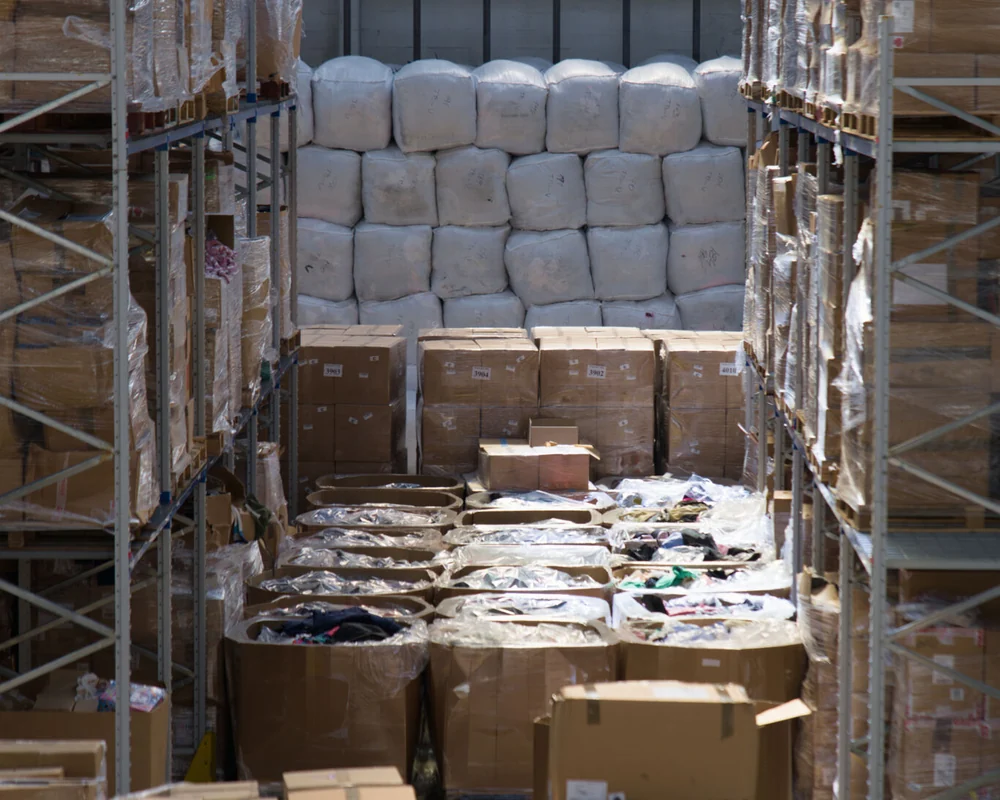
Unsellable stock creates more than a storage problem.
Without secure management, obsolete or faulty products can create commercial, reputational and operational risks.
Brand Protection
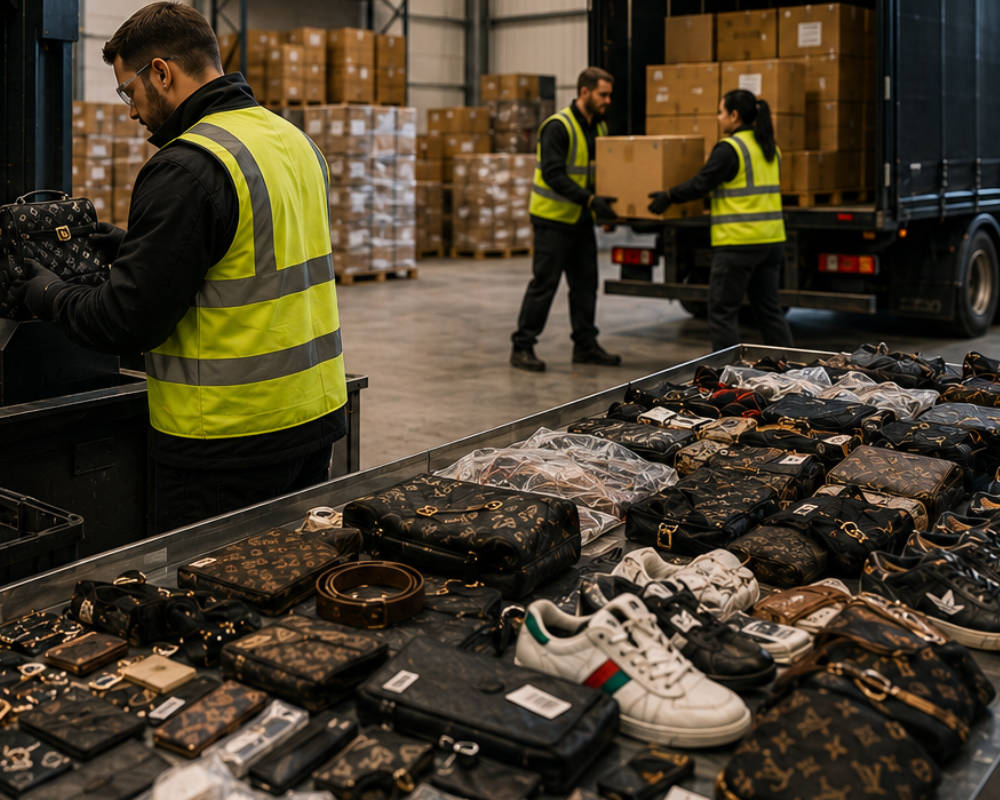
Prevent unauthorised resale, market leakage and reputational damage.
Inventory Control
Clear warehouse pressure and regain valuable storage space.
Commercial Recovery
Support responsible stock management and improved operational efficiency.
Compliance & Accountability
Maintain visibility, documentation and confidence throughout the process.
Types of stock we support
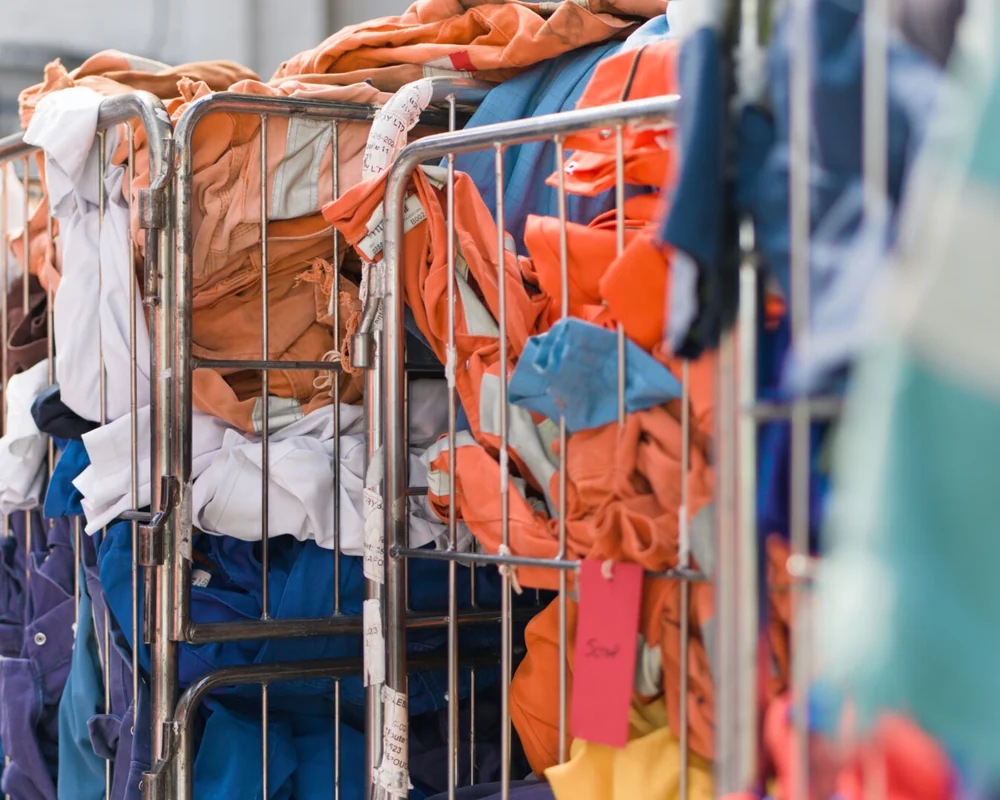
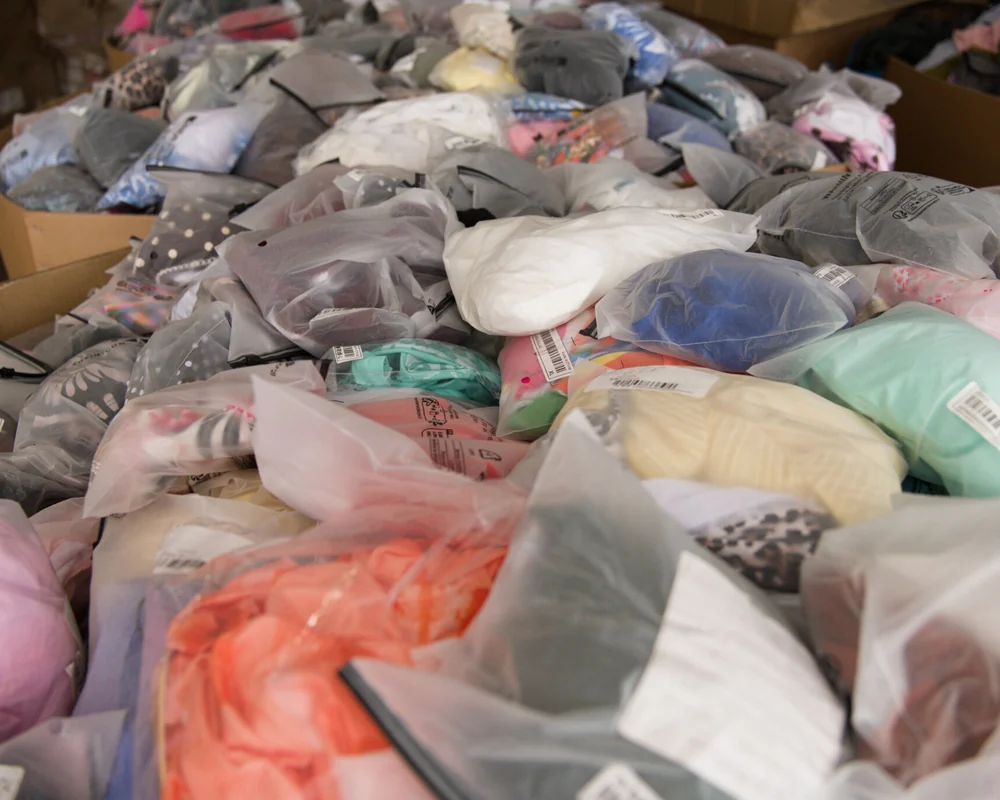
Protectex can support a wide range of obsolete, faulty and end-of-life textile products.
Obsolete & end-of-line stock
Overstock ties up space and slows supply chain agility.
Misprints & production errors
Incorrect branding, print defects and manufacturing mistakes.
QC failures & faulty products
Rejected batches, damaged items and failed inspections.
Cancelled or surplus production
Overproduction, cancelled orders and unsold inventory.
Protectex helps our partners to:
Protect brand reputation and customer confidence
Eliminate costly warehouse and storage pressure
Prevent unauthorised resale or grey-market leakage
Reduce risks associated with faulty or branded stock
Support ESG and sustainability commitments
Create a secure and auditable disposal route
Supporting product and warehouse clearance programmes
Managing obsolete or unsellable stock can quickly become operationally disruptive.
Whether you are clearing surplus inventory, resolving production issues or managing warehouse consolidation, Protectex can support structured and secure stock clearance programmes.
Support may include:
Scheduled or one-off collections
Multi-site stock coordination
Volume reporting
Secure destruction certification
Sustainability and recovery reporting
Many organisations use this service to support inventory management, risk reduction and responsible business practices.
Due Diligence & Compliance
Compliance & Assurance
Certificate of Destruction
Audit-ready reporting
Secure handling procedures
Traceable processing
Environment Agency registered
Responsible Outcomes
Sustainability reporting support
Landfill diversion prioritised
Material recovery routes explored
Fibre reprocessing opportunities
Energy recovery where necessary
Sustainable Pathways
Secure destruction is only part of the solution.
Where materials are suitable, obsolete and unsellable textiles may be directed into recovery and manufacturing pathways that support alternative material use and circular innovation.
Potential applications may include:
Industrial wiping cloths
Punchbag filler
Acoustic insulation
Thermal products
Industrial materials
Protective packaging
Innovation and fibre development